 English
 Русский
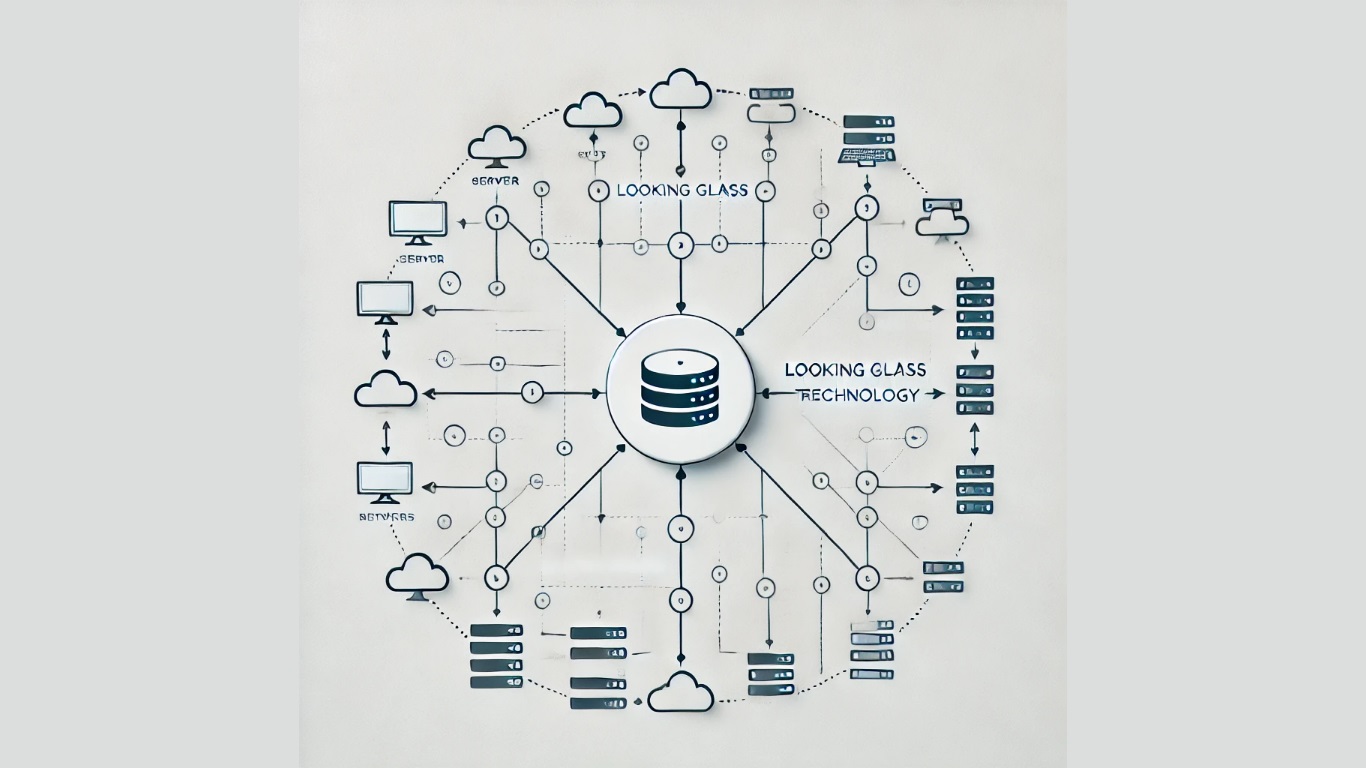
Looking Glass is a web-based interface that allows users to run network diagnostic commands such as ping and traceroute in order to test connectivity and routing to different points on the internet. With this tool, you can see how a hosting provider’s network or servers are connected to the rest of the internet and how they respond to requests from various locations.
The concept of Looking Glass originated in the 1990s, when network engineers began developing tools to monitor and diagnose large-scale IP networks. Its main goal was to simplify the management of global networks and provide visibility into their performance from anywhere in the world. Looking Glass systems were especially important in the context of interconnection between internet service providers (ISPs), where understanding routing and reachability is critical. Because the technology evolved in parallel across multiple companies and network operators, there is no single inventor of Looking Glass.
The term “Looking Glass” comes from Lewis Carroll’s book Through the Looking-Glass. In the story, the mirror allows the main character to see and explore another world. In networking and hosting, a Looking Glass serves a similar purpose: it lets users “look into” a remote network and examine how it connects to the rest of the internet.
Main functions of Looking Glass
-
Ping — is used to test whether a host is reachable and how quickly it responds.
-
Traceroute — shows the path that packets take from the source to the destination, helping identify delays, routing problems, or failing network segments.
-
BGP status — provides information about Border Gateway Protocol routes, which is especially important for providers operating large and complex networks.
Why Looking Glass is used
In the hosting industry, providers offer Looking Glass tools so customers can test how their servers are reachable from different parts of the world. Before renting a server, a user can open the provider’s Looking Glass page and run ping or traceroute from various locations to evaluate latency, stability, and routing quality. This helps determine whether the network meets performance and availability requirements.
Network engineers also rely on Looking Glass for monitoring and troubleshooting. It allows them to verify routes, detect packet loss, and identify problems in their own or upstream networks without direct access to every router.
Advantages of Looking Glass
-
One of its key benefits is ease of use. The web interface is simple and does not require deep networking knowledge.
-
It is accessible from anywhere, since it runs in a browser and can be used from any country.
-
Looking Glass also provides an objective view of network conditions, which is valuable for optimizing server performance and improving service quality.
Looking Glass has become an essential tool for both hosting providers and end users, offering a practical way to analyze connectivity and diagnose network issues across the internet.