 English
 Русский
RAID (Redundant Array of Independent Disks) is a data storage technology that combines multiple hard drives or SSDs into a single logical unit in order to improve performance, reliability, or both. It is widely used in servers, data centers, and professional workstations to protect data from loss, increase read/write speeds, and provide fault tolerance.
The RAID concept was introduced in 1987 by David Patterson, Garth Gibson, and Randy Katz at the University of California, Berkeley. The technology became popular in the 1990s as disk prices fell and the demand for fast and reliable storage systems grew.
Types of RAID
RAID includes several different levels, each designed for specific use cases. The most commonly used RAID levels are:
-
RAID 0 focuses on performance. Data is split across multiple disks (striping), which significantly increases speed, but there is no redundancy. If one disk fails, all data is lost. It is often used for tasks like video editing or other workloads that require high speed but can tolerate data loss.
-
RAID 1 provides data redundancy through mirroring. The same data is written to two drives, so if one fails, the other still contains a complete copy. This makes RAID 1 suitable for critical data, such as server databases or important business files.
-
RAID 5 combines performance and fault tolerance by using data striping together with parity information. It can survive the failure of one disk while still maintaining access to all data. This makes RAID 5 a popular compromise between speed, storage efficiency, and reliability.
-
RAID 6 is similar to RAID 5 but adds an extra layer of parity, allowing the system to continue operating even if two disks fail. This makes it especially useful in environments where data protection is extremely important.
RAID performance and reliability overview
| RAID Level | Performance | Reliability |
|---|---|---|
| RAID 0 | ||
| RAID 1 | ||
| RAID 5 | ||
| RAID 6 |
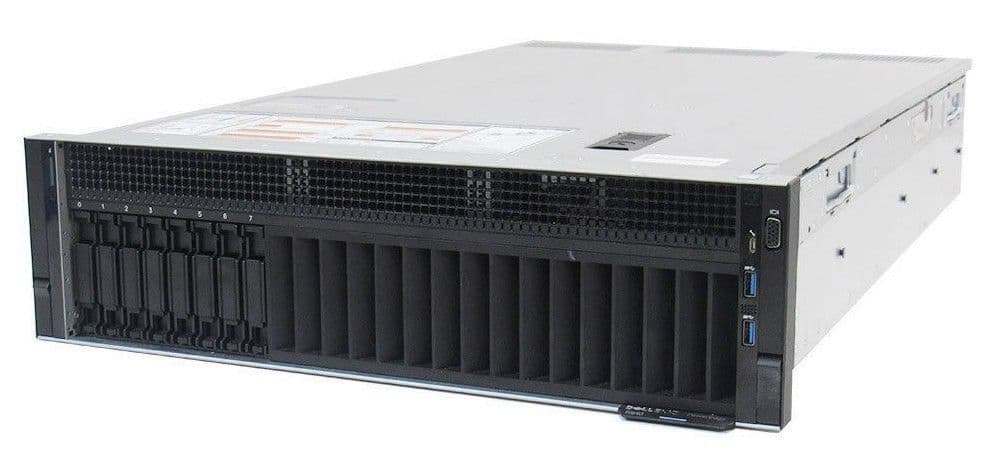
Dell PowerEdge R940 CTO RAID rack server with 8 2.5-inch bays. Image: itinstock.com
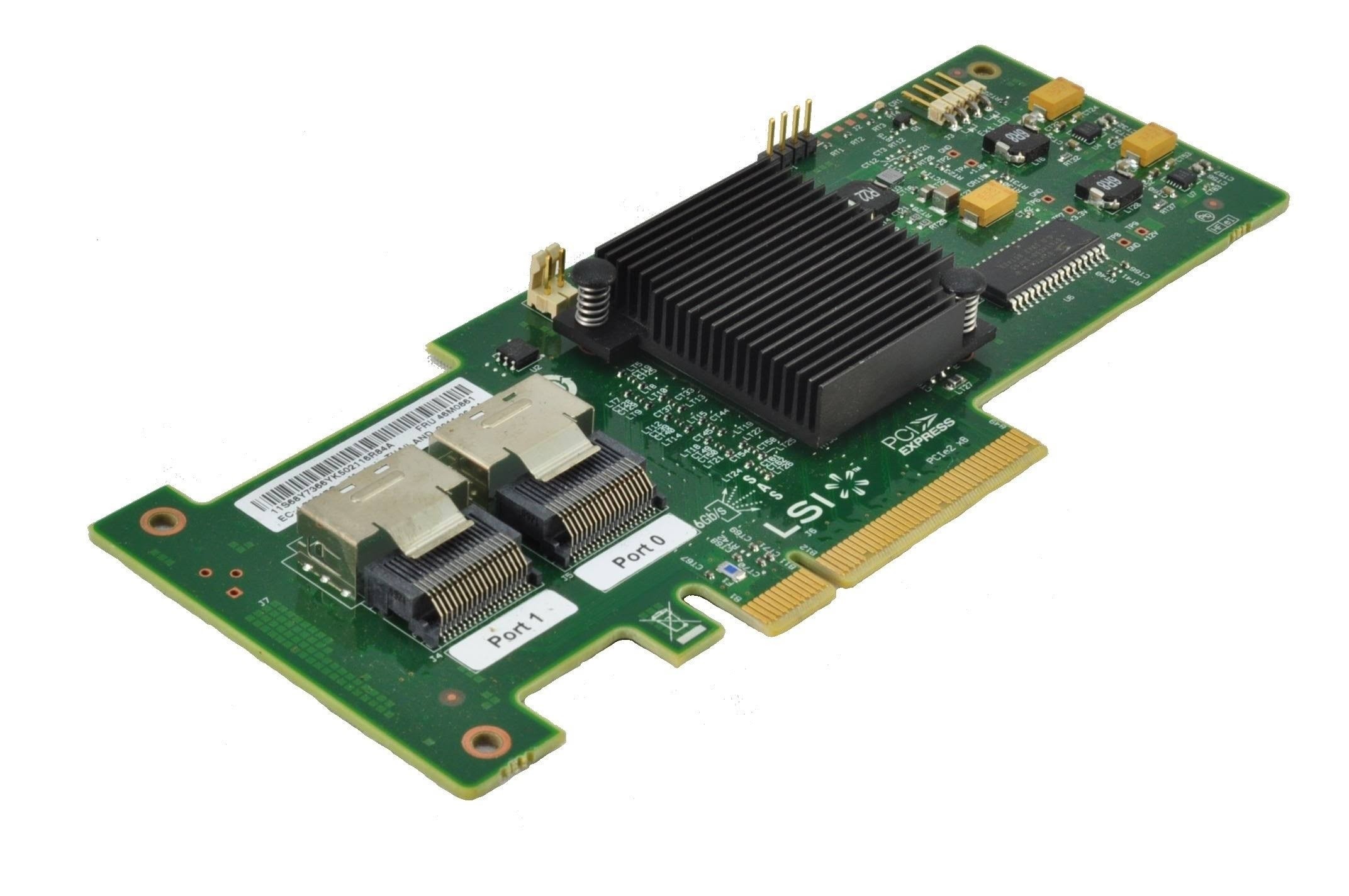
IBM ServeRAID SAS RAID Controller for Data Centers
It is important to understand that RAID is not a complete data protection solution. It protects against disk failures, but it does not protect against accidental deletion, malware, or data corruption. For full data safety, RAID should always be combined with regular backups.
RAID remains a core technology in modern IT infrastructure. Most enterprise data centers rely on RAID-based storage systems, and in recent years it has also become more common in home and small business environments thanks to the popularity of NAS (Network Attached Storage) devices.