 English
 Русский

U.S.-based software company WebPros, the owner of widely used hosting control panels cPanel and Plesk, will fully discontinue services for customers in Russia and Belarus starting March 31, 2026.
The decision became public through official emails sent to users of both platforms. The wording in the messages is identical and references compliance with international export controls and sanctions regulations. In practical terms, this means the end of service rather than a gradual limitation of features.
Access to both panels will remain active until the end of March. During this transition period, subscription fees will not be charged. After the deadline, all licenses will be terminated, effectively cutting off access to the platforms.
“We sincerely regret any inconvenience this situation may cause and appreciate your understanding as we comply with mandatory legal requirements,” the Plesk and cPanel teams stated in their message to customers.
Market sources have also confirmed that the restrictions apply equally to users in Belarus, removing any ambiguity about the scope of the shutdown.
What Exactly Is Leaving: A Closer Look at cPanel and Plesk
Both cPanel and Plesk are commercial server management panels designed to replace command-line administration with a graphical interface. For many hosting environments, they act as the control center where websites, databases, email services, and server settings are managed in one place.
cPanel has long been associated with traditional shared hosting. It provides tools for managing domains, email accounts, FTP access, databases, backups, and DNS records. Its interface, often paired with WHM (Web Host Manager) for server-level administration, has become so widespread that many hosting users treat it as the default option — less a choice, more an expectation.
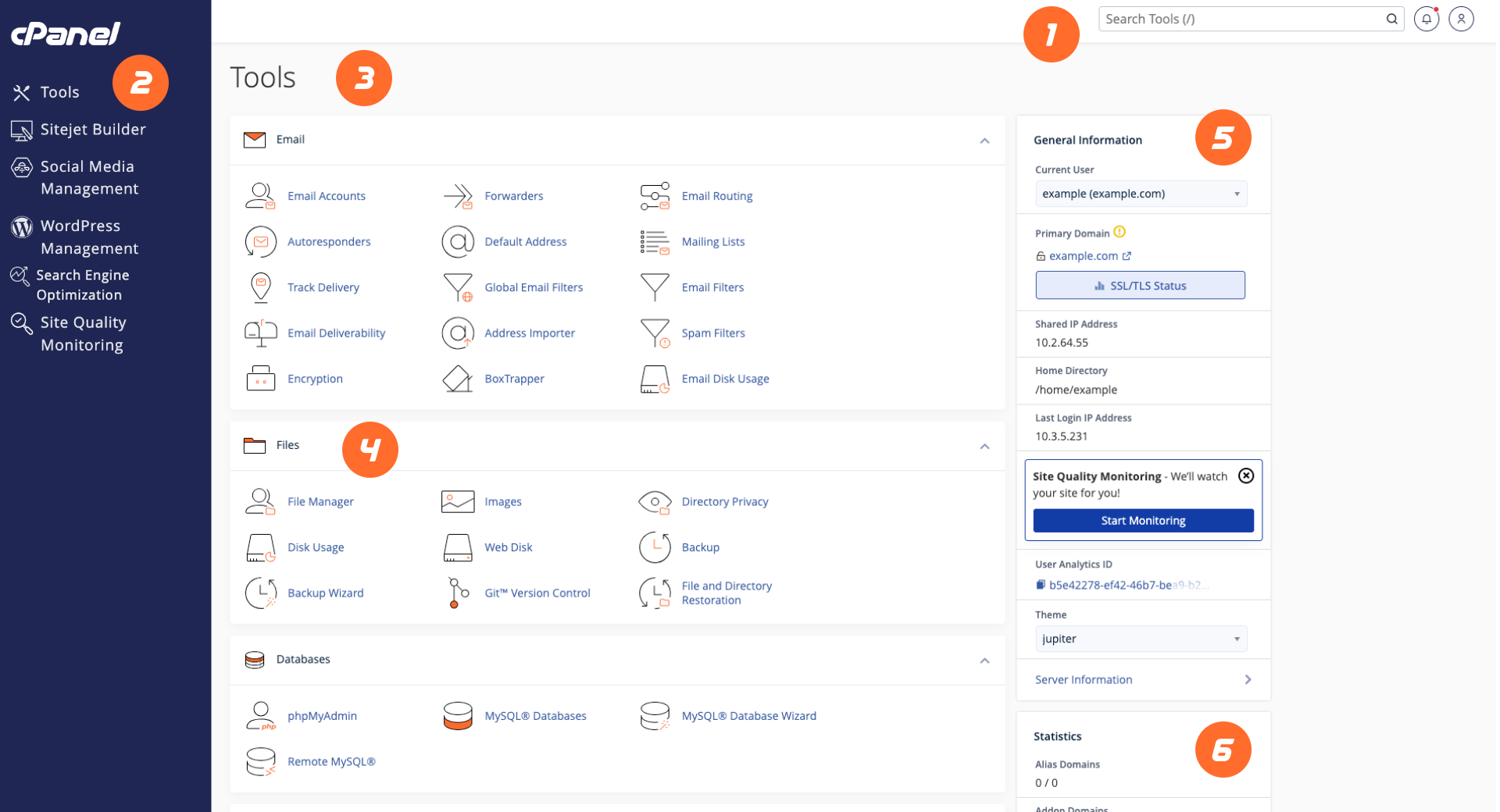
Image: docs.cpanel.net
Plesk, on the other hand, has built its reputation on flexibility. It supports both Linux and Windows servers and offers integrations with modern development tools such as Git, Docker, and various CI/CD workflows. It also features an extension-based ecosystem, allowing administrators to expand functionality depending on project needs. As a result, Plesk is frequently used in environments that go beyond simple website hosting.
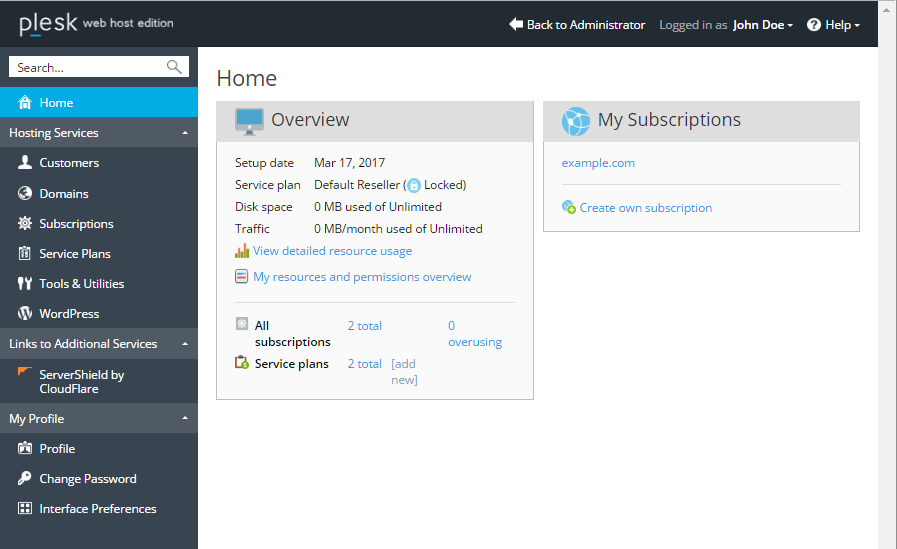
Image: docs.plesk.com
The two panels together have shaped a significant portion of the global hosting ecosystem. However, measuring their exact market share depends heavily on methodology. According to WebPros, cPanel accounts for up to 94% of the control panel market, while Plesk holds around 31%.
Meanwhile, data from W3Techs presents a different picture: Hostinger’s hPanel leads with 50%, followed by Plesk at 45%, while cPanel’s share is estimated at just 2.1%. In the hosting industry, such discrepancies are less surprising than they might seem — statistics tend to reflect the angle from which they are observed.
Who Will Be Affected
According to estimates from Рег.ру, at least 50,000 websites in the .ru and .рф domain zones currently rely on cPanel and Plesk. All of them will need to migrate to alternative solutions.
This process is rarely straightforward. Moving a website from one control panel to another often involves transferring databases, reconfiguring services, adjusting DNS settings, and resolving compatibility issues. Even under ideal conditions, such migrations tend to reveal unexpected dependencies — the kind that only become visible when something stops working.
A Market Already in Transition
Despite the scale of the change, the regional hosting market has been gradually preparing for such a scenario. Back in 2017, around 70% of the market in Russia and CIS countries was held by ispmanager, a locally developed control panel.
In recent years, sanctions and regulatory pressures have steadily reduced the presence of U.S.-based hosting software in the region. For many providers and users, the current announcement may therefore feel less like a sudden disruption and more like the final step in an ongoing shift.
The departure of cPanel and Plesk is likely to accelerate the redistribution of market share among alternative solutions — both local and international. Some providers have already diversified their offerings, while others will now need to make decisions faster than planned.
In the end, the situation follows a familiar pattern for the hosting industry: tools change, platforms come and go, but the underlying task remains the same. Websites still need to stay online, services must keep running, and someone, somewhere, will be carefully migrating configurations while hoping the next reboot does not come with surprises.