 English
 Русский

Hosting provider RuVDS has announced the launch of a new virtual server location in Minsk, Belarus. The site is already fully operational, with infrastructure deployed, connected, and available for customer workloads.
With this addition, the company’s network now spans 21 locations, including nine outside Russia. The number itself is less important than the pattern behind it: expansion that looks planned rather than opportunistic.
Why Minsk Made the Cut
The choice of Minsk is not particularly surprising. Belarus has positioned itself as a regional IT hub with a growing digital infrastructure and a steady presence of technology-focused businesses.
For customers, this translates into more practical advantages: stable network connectivity, low latency, and broader access to online resources that may behave differently depending on where a server is hosted. Minsk, in this sense, acts as a middle ground — geographically close enough for performance, yet distinct enough to diversify routing and accessibility.
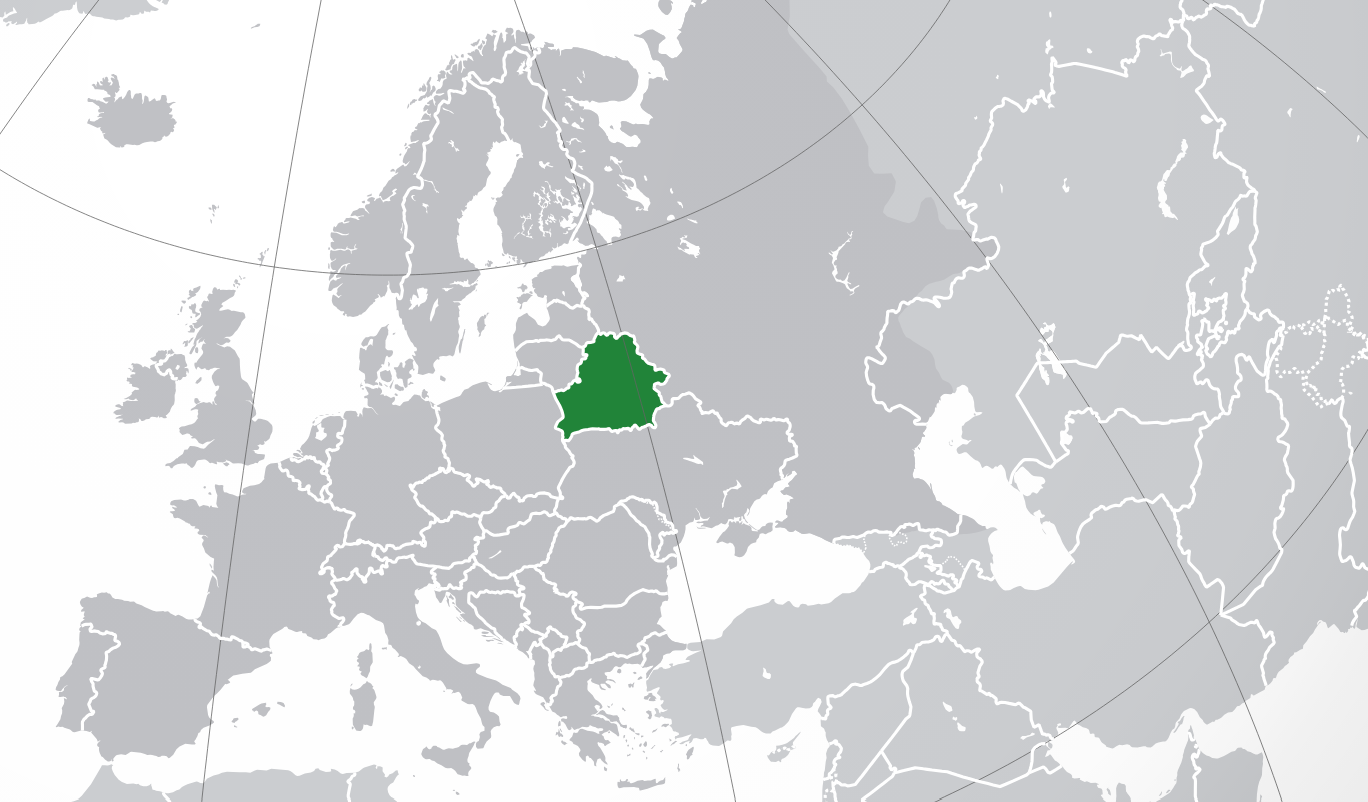
Belarus on the map. Image: Wikipedia
The location is also gaining attention across the hosting market. Another provider, Sprintbox, recently introduced VPS services in Minsk as well, suggesting that the city is quietly turning into a contested point on the regional infrastructure map.
Infrastructure: Predictable, Which Is Exactly the Point
RuVDS has deployed its new platform in a data center operated by Delovaya Set. The facility follows modern standards for reliability and redundancy — not particularly flashy, but designed to avoid unpleasant surprises. Key infrastructure features include:
-
two independent power supply inputs;
-
a 300 kW diesel generator for backup power;
-
uninterruptible power systems with a total reserved capacity of 160 kW;
-
engineering systems designed to ensure fault tolerance and operational stability.
In hosting, these details rarely make headlines, but they tend to matter most when something stops working elsewhere.
The Minsk launch fits into RuVDS’ broader strategy of steadily expanding its geographic footprint. In practical terms, this means customers are increasingly choosing not just server specifications, but also where those servers physically reside — a detail that, in many cases, turns out to be just as important as CPU and RAM.