 English
 Русский

Hosting provider One Dash expanded its geographic footprint by adding two new locations for virtual server rentals. The company also updated its software interface and strengthened infrastructure security. These changes aim to improve performance and reduce service costs for clients in various regions.
Czech Savings and Romanian Traffic
The new point in Czechia is positioned as the most affordable foreign option in the provider's lineup. VPS costs start from $0.59 for seven days. This price makes the Czech location attractive for students, solo developers, and owners of small pet projects who need a foreign server with minimal expenses. It serves as an ideal testing ground where budget is the deciding factor.
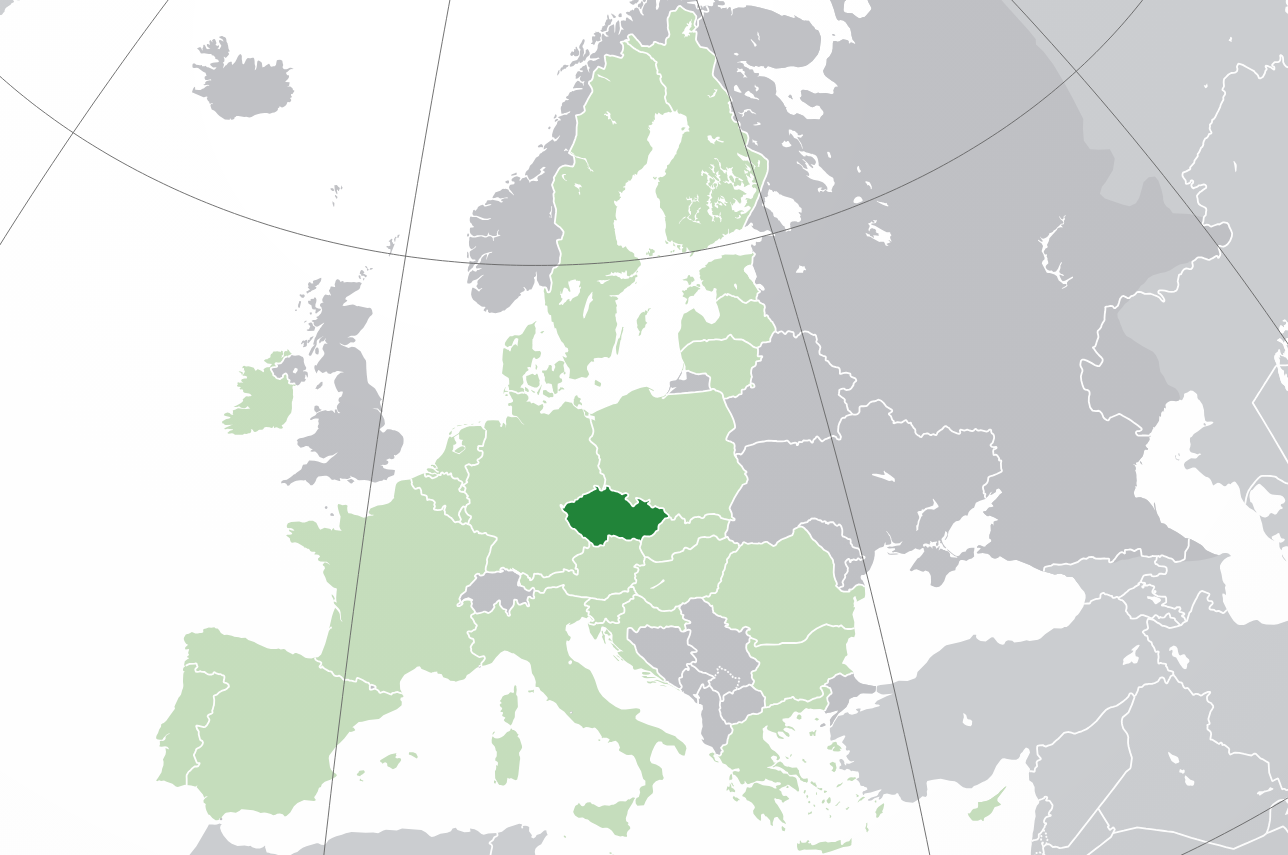
Chech on the map. Image: Wikipedia
The location in Bucharest (Romania) solves different tasks. The provider calls it an excellent route to Europe with stable connectivity and a price lower than in Germany. Placing servers in Romania suits companies targeting the European market but wishing to save on infrastructure. The country possesses developed network backbones, ensuring good connectivity with neighboring EU states without overpaying for "German quality."
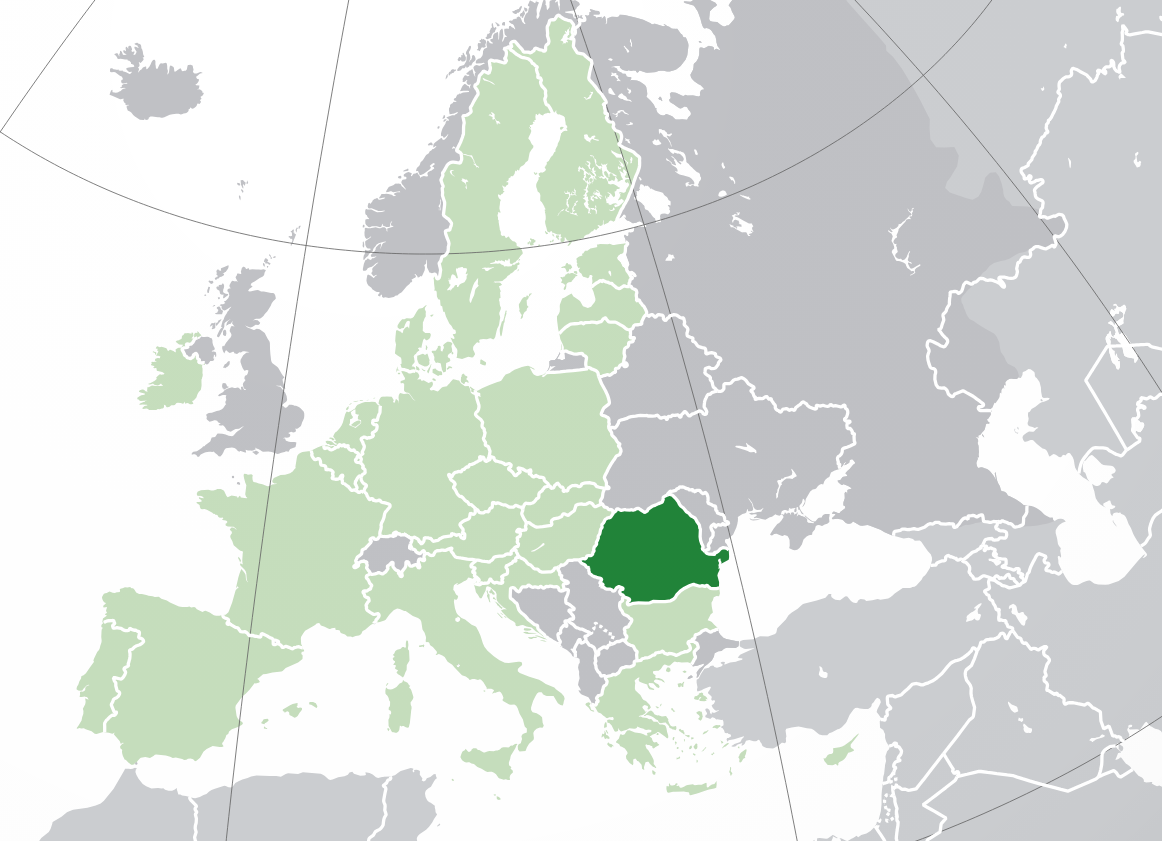
Romania on the map. Image: Wikipedia
Hardware Updates in the US and Germany
Beyond new countries, One Dash modernized existing sites. Servers based on Intel processors are now available in the US at prices comparable to Bucharest tariffs. This offer targets users who require compatibility with specific instruction sets or licensed software optimized for Intel architecture.
High-performance configurations based on AMD processors appeared in Germany. These capacities are designed for resource-intensive tasks: complex code compilation, big data processing, or running heavy databases. When standard virtualization becomes insufficient, additional Ryzen or EPYC cores come to the rescue.
Shield Against L3–L5 Attacks
The provider implemented protection against DDoS attacks at levels L3–L5 in all locations by default. This measure counters threats at the network (L3), transport (L4), and session (L5) layers of the OSI model. In simple terms, the system filters malicious traffic that attempts to overload communication channels with artificial packets, crash TCP connections with numerous requests, or exhaust server session resources. Such protection saves against classic methods of taking resources offline, where attackers try to "clog the pipe" with junk, preventing legitimate users from accessing the service.
API 2.0 and Internal Optimization
The update of the software interface to version 2.0 closed most functional gaps. Now 90 percent of personal account capabilities are available via API. This simplifies routine automation for DevOps engineers, allowing them to create and manage servers with scripts rather than mouse clicks.
The company also optimized the operation of internal services linking servers and the control panel. Faster command execution and increased stability of VPS management are reported. Such technical refinements rarely catch the user's eye, but they determine how quickly the infrastructure responds to administrator actions during periods of high load.