 English
 Русский
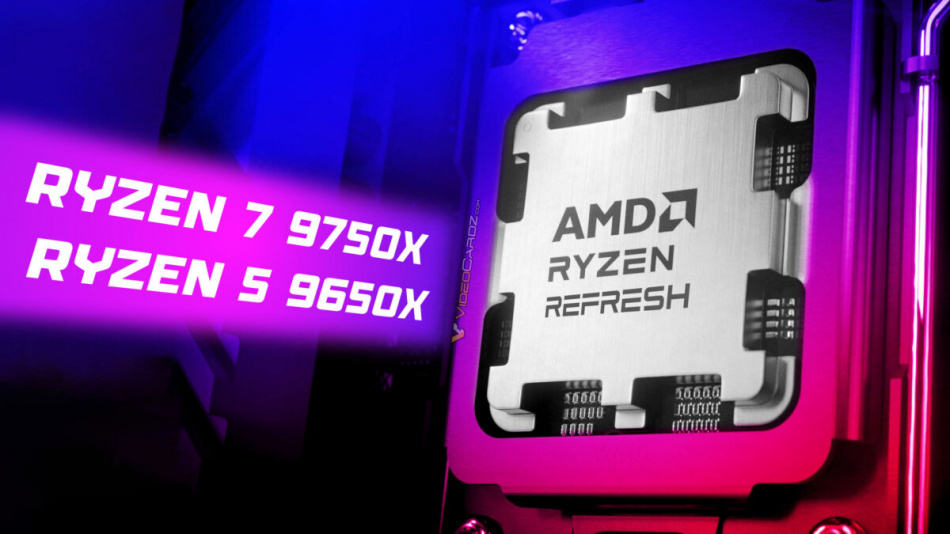
In the endless processor arms race where one extra megahertz feels like a personal victory, AMD and Intel keep trading refresh blows like neighbors arguing over whose lawnmower is louder. This week Intel dropped its Core Ultra 200S Plus (Arrow Lake Refresh), and AMD is already prepping a counterpunch: refreshed Ryzen 9000 chips ditching the old XT suffix for plain numeric labels.
Intel Cranks Arrow Lake, AMD Matches the Move
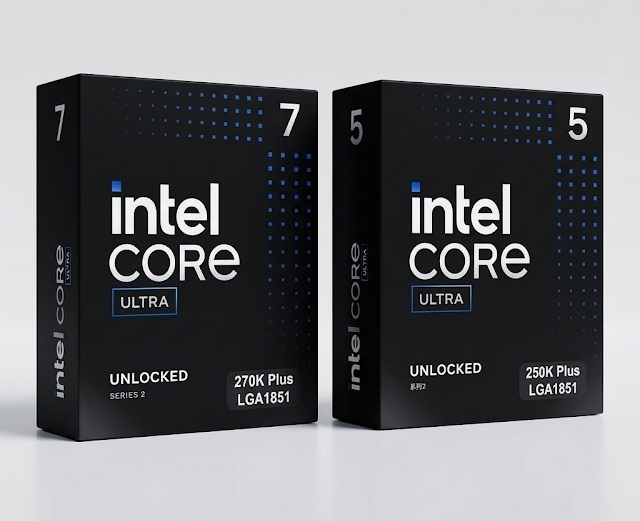
Intel rolled out the Core Ultra 7 270K Plus and Core Ultra 5 250K Plus—same Arrow Lake bones but with extra E-cores, a beefed-up inter-tile link running 900 MHz faster, and official DDR5-7200 support. The company claims up to 15% better gaming performance on average, while TDP sticks at the familiar 125 W base. Retail availability kicks off March 26, with suggested prices starting around $199–$299, roughly in line with (or slightly below) the originals. In short, Intel is patching the gaming holes that left the first Arrow Lake generation looking a bit winded.
AMD's response comes in the form of Ryzen 7 9750X and Ryzen 5 9650X—still 8- and 6-core designs, but sporting a roughly 400 MHz base-clock bump and TDP climbing to 120 W. Leaked prototype photos are already circulating, and the move looks like a direct mirror to Intel's refresh: more clocks, more power budget, same architecture. An announcement is expected in the coming weeks, keeping the mid-cycle skirmish alive.
Zen 5 vs Zen 6: Incremental Polish vs Full Redesign
Today's Zen 5 (and its 2026 refresh) sticks with the familiar 6-wide dispatch, 8 cores per CCD, 32 MB L3 (or 96 MB in X3D flavors), and roughly 16% IPC gain over Zen 4. The updates bring higher frequencies, occasional extra efficiency cores, and minor tweaks—enough to stay competitive without reinventing the wheel.
Zen 6 (Olympic Ridge / Medusa for desktop Ryzen), on the other hand, represents a bigger architectural shift: 8-wide dispatch, up to 12 cores per CCD, around 48 MB L3 standard, and TSMC's N2 process. IPC is projected at +10–15% over Zen 5, with much larger multi-threaded jumps thanks to the extra cores. But don't hold your breath—desktop versions are now widely expected in 2027, after Zen 6 first appears in EPYC servers and possibly mobile prototypes. 2026 remains firmly a year of refresh wars rather than generational fireworks.
So both camps are busy tweaking frequencies and hoping nobody notices the familiarity of the names. The real next chapter stays on ice for another year or so.